
I wasn’t familiar with the concept of “incels” and incels as a political body until a recent piece (Lanchester, 2018) in The New Yorker mentioned the term in explaining why a particular economist was positing an irresponsible economic theory in describing a terrorist attack by a self-described incel in Toronto.
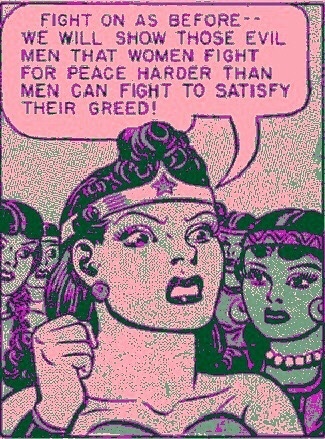
I think it makes sense (even if at first it seems counterintuitive) that as the oppression of women and gender-nonconforming people gets more awareness and oppressed people gain more power, the oppressors try to retain their power (the incels). These men seem to think that it used to be easier for unattractive men to force women to submit to them sexually and we should return to that. However, the wheel of progress is not easily broken. While some regressive actions happen (such as the election of an alleged serial sexual predator as president), they can’t make us unsee the truth of toxic male oppression. Anyone interested in learning more about how progress triggers regression in politics should give a listen to the latest episode of The Ezra Klein Show podcast in which Klein interviews Yale psychologist Dr. Jennifer Richeson “who has done pioneering work on the way perceptions of demographic threat and change affect people’s political opinions, voting behavior, and ideas about themselves” (Klein’s show notes).
References
Lanchester, John. (2018, July 23). Can economists and humanists ever be friends? The New Yorker. Retrieved from https://www.newyorker.com/magazine/2018/07/23/can-economists-and-humanists-ever-be-friends
Klein, E. (2018, July 23). The most important idea for understanding American politics in 2018. The Ezra Klein Show. Vox Media Podcast Network
 Cristina Forever